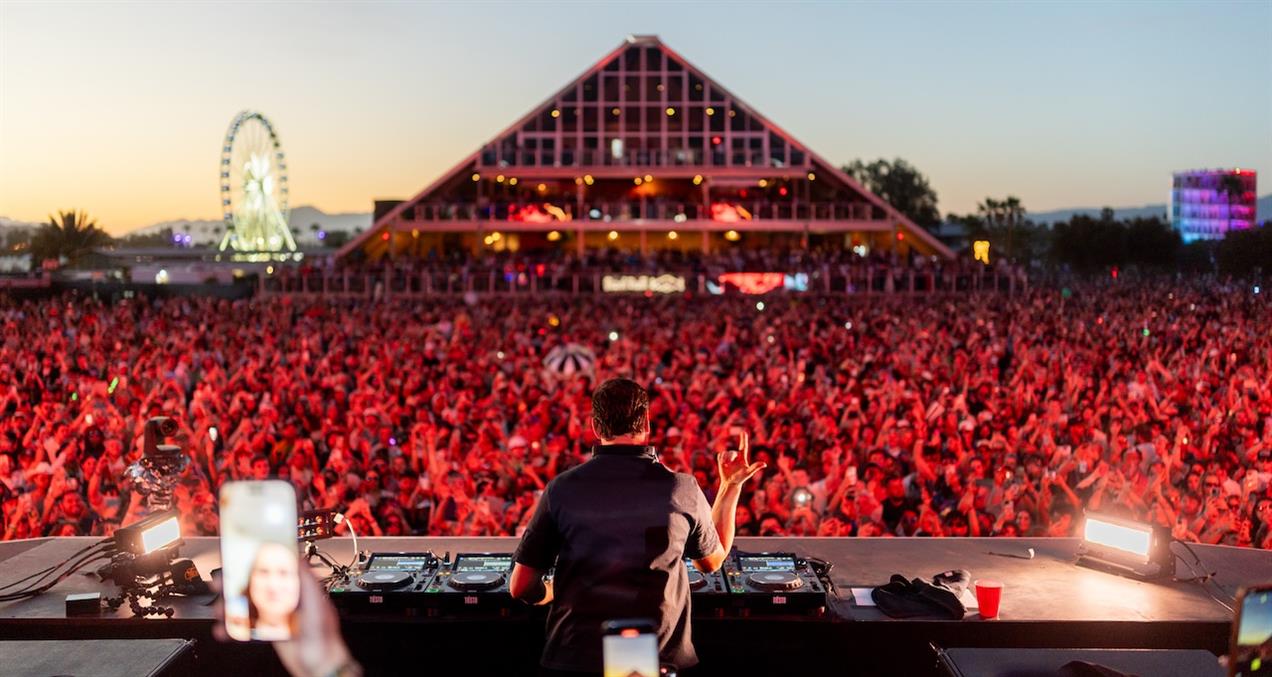
Festival sponsorship strategy in 2026 looks nothing like it did five years ago — and most festivals haven’t caught up. Tickets sell out. Lineups generate buzz. Fans show up readFestival sponsorship strategy in 2026 looks nothing like it did five years ago — and most festivals have not caught up. Tickets sell out in hours. Lineups generate real cultural buzz. Fans show up ready to spend money, share content, and talk about the experience for months afterward. And yet sponsorship revenue at most events consistently underperforms what that audience is actually worth to a brand.
The disconnect is not about the quality of the event. It is about what is being sold, how it is being packaged, and how the conversation with brand partners is being framed. Most festivals are still pitching the same assets they were pitching a decade ago — logos, signage, stage banners, and a hashtag. Brands have moved on. The pitch has not.
A modern festival sponsorship strategy is not about offering more placements. It is about selling measurable outcomes tied to a real, specific audience — and designing activations where brands, artists, and fans all leave with more than they expected. This post breaks down exactly what that looks like in practice and where the largest gaps in revenue tend to live.
Brands Don’t Pay for Logos. They Pay for Proof.
The pitch that used to work — “We’ll put your logo on signage, the stage, and our app” — no longer moves sophisticated brand partners. In 2026, CMOs and partnership leads are internally measured on outcomes, not exposure. They are not wiring five or six figures for visibility. They are paying for three things: a specific, hard-to-reach audience they cannot easily replicate on their own; first-party data they can build on long after the music stops; and content and experiences that make their brand look relevant, human, and culturally intelligent.
According to IEG, the industry’s leading sponsorship intelligence firm, the shift away from impression-based metrics toward outcome-based measurement is now the defining pressure inside every serious brand partnership conversation. Brands that cannot get defensible ROI data from a sponsorship are cutting it — regardless of how well the event performed on the fan side.
If your festival sponsorship strategy pitch is still dominated by signage impressions and logo placements, you are out of sync with how your potential partners are evaluated by their own leadership. The conversation that lands now sounds like this: here is who your brand will actually reach at this festival and exactly how they behave; here is how we will capture and share that engagement with you in real time; and here is the content and first-party fan data you will own once the weekend is over. You are not selling space on a site map. You are selling measurable outcomes tied to a real audience.
Your Audience Data Is Inventory — Start Treating It Like One
Every ticket purchase, waitlist signup, Wi-Fi connection, QR scan, and contest entry at your festival is a data point about who your audience is, where they come from, and what they care about. Most festivals collect that information. Very few treat it as a sellable asset — and almost none present it to brand partners in a way that changes the pricing conversation.
The shift that unlocks real sponsorship revenue is moving from “we had 15,000 attendees” to a far more specific story: here is the full demographic and psychographic breakdown of who attended, here is how far they traveled and what they spent, here is how many engaged with at least one sponsor activation on site, and here is how many opted into ongoing brand communication after the event. That is not a crowd description. That is proof of value.
A strong festival sponsorship strategy treats audience data as core inventory — not a backend reporting function. It shapes your pricing, your positioning, your renewal conversations, and your ability to attract entirely new brand categories that would otherwise overlook your property. Festivals that have built this capability consistently close larger deals in shorter sales cycles than those still leading with attendance numbers alone.
Stop Selling a Weekend. Start Selling a Full Campaign Arc.
Most festivals are operationally and emotionally built around one weekend. That makes sense from a production standpoint. But from a festival sponsorship strategy standpoint, selling only the weekend is one of the most expensive mistakes a property can make — because brands are not just buying those two or three days. They are buying the entire attention arc your audience lives in around the event.
Before the festival is where lineup announcements, headliner reveals, partnered presales, VIP campaigns, and exclusive access experiences belong. These are high-attention moments brands can own and amplify before a single fan walks through the gate — and this window is consistently undersold because most festival sponsorship teams are too focused on operations to monetize it properly.
During the festival is where branded experiences solve real attendee needs — shade, hydration, phone charging, navigation, discovery — and where built-for-social installations generate trackable engagement, real behavioral data, and shareable content that extends a brand’s reach far beyond the physical site footprint. This is also where talent integration creates the moments that live online long after the weekend ends.
After the festival is where the most potential sponsorship revenue is left on the table entirely. Recap content where brands appear naturally alongside artists and fans, follow-up offers tied to what attendees engaged with on site, presale access for next year, and year-round short-form storytelling all keep the community warm and keep brand partners visible for months. When your inventory and pricing reflect this full campaign arc, the total value of a partnership becomes significantly larger — and so does your ability to command what it is actually worth.
Artists Are Your Most Underpriced Sponsorship Asset
Too many festivals treat talent and sponsorship as two completely separate operational tracks. This is one of the most common and costly structural failures in festival sponsorship strategy. One team books the lineup. Another team sells the sponsorship packages. The two tracks intersect for a rushed backstage photo call, and that is considered the integration. It is not. It is a missed revenue opportunity dressed up as a deliverable.
The real revenue sits at the intersection of artist, brand, and fan. What sophisticated brand partners want at that intersection is content that does not feel manufactured, alignment that makes genuine sense for the artist’s identity and audience relationship, and access that extends well beyond the festival’s owned channels into the artist’s own community and platforms.
What becomes possible when that intersection is designed intentionally from the start: sponsor-backed intimate sets or curated meet-and-greet experiences fans will genuinely talk about for years; co-branded limited merch or product drops developed with artists that generate their own earned media; sponsored moments built directly into the show — surprise guests, encores, set reveals — that feel culturally earned rather than inserted; and short-form backstage, soundcheck, and behind-the-scenes content where the brand’s presence feels authentic because it was architectured from the beginning, not added at the end.
A real example: at one major festival partnership, the approach involved bringing the headlining artist into the sponsor’s custom-built on-site experience before soundcheck — not for a posed photo, but to genuinely interact with the space and create content that felt natural. That story was then carried directly onto the stage, with product integrated into performance sightlines so that when images and video clips hit social, the brand appeared everywhere without ever feeling forced. The result was significantly more impressions and measurable brand lift compared to standard activations running just a few feet away — without adding a single additional dollar to the client’s budget. The difference was intentional design, not additional spend.
What a Festival Sponsorship Strategy Looks Like From the Inside Out
A festival sponsorship strategy only performs as well as the internal systems and materials supporting it. This is where most events are weakest — and where the gap between what a festival is worth and what it actually closes tends to live.
Internal materials are your operating system. Your team needs a complete asset map listing every sellable element — physical spaces, digital placements, content opportunities, hospitality packages, data capture integrations, and talent touchpoints — with each asset tied directly to a sponsor outcome: awareness, engagement, first-party data, content ownership, or long-term relationship building. When that internal clarity exists, every outreach email, introductory call, and in-person meeting gets sharper and faster because your team is working from a system, not rebuilding from scratch every time.
Your website is already making a first impression on every brand that considers you. Before a partnership lead responds to your outreach, they have already visited your digital presence and decided whether this looks like a serious, well-run property worth their budget. A sponsorship-ready site puts the experience, the artists, and the fan community front and center. It features existing partners in context — inside stories, activations, and genuine brand moments — not just as a logo bar at the bottom of the page.
Structured flexibility is the edge on packaging. The right approach is not a rigid Bronze/Silver/Gold tiered menu, and it is not building every package from scratch. It is a well-organized core asset menu — naming rights, on-site experiences, content, data packages, hospitality, digital integration, artist touchpoints — assembled flexibly around each brand’s specific objectives and budget. From the inside that looks like structure. From the outside it feels bespoke and considered.
As Ticket Fairy’s festival sponsorship research notes, festivals that treat brand partnerships as fully integrated marketing campaigns — rather than transactional logo placements — consistently command higher sponsorship fees and deliver measurably superior ROI for both the property and the brand.
Closing the Gap Between Sold-Out Events and Sold-Out Sponsorships
If your festival is selling out on the fan side and still underperforming on sponsorship revenue, the problem is almost never the quality of the event. It is a festival sponsorship strategy problem — specifically, what is being sold, how it is packaged, and whether the brand conversation is being led with outcomes and audience proof or with asset lists and site maps.
The festivals closing the largest partnership deals right now share a few things in common. They know their audience better than any brand in the room. They have built internal systems that make every outreach sharper. They have designed artist and fan integrations that brands cannot access anywhere else. And they treat festival sponsorship strategy not as a revenue line to fill after the lineup is set — but as a core part of how the event is designed, valued, and brought to market from the very beginning.
That is exactly the work Celebrity Capital is built to support — from turning raw attendance data into compelling audience stories, to designing activations where brands, artists, and fans all leave with more than they expected. If you want to talk through where your festival is leaving money and momentum on the table, let’s have that conversation.
For a deeper look at how strategic celebrity integration drives sponsorship revenue at scale, explore our corporate sponsorship services.