A sound event sponsorship strategy does not begin with who you book. It begins with what happens when the person you booked becomes a crisis. Two major events made headlines this week — and both collapsed for the same preventable reason: talent decisions were made before the right questions were asked.
Six artists walked out of Freedom 250’s Great American State Fair concert series. Young MC, The Commodores, Martina McBride, Morris Day and the Time, and Bret Michaels all withdrew after stating they were told it was a nonpartisan patriotic celebration — and found out it was not. That is not a talent problem. It is a transparency failure by the organizers and a vetting failure by everyone who signed on before asking the right questions.
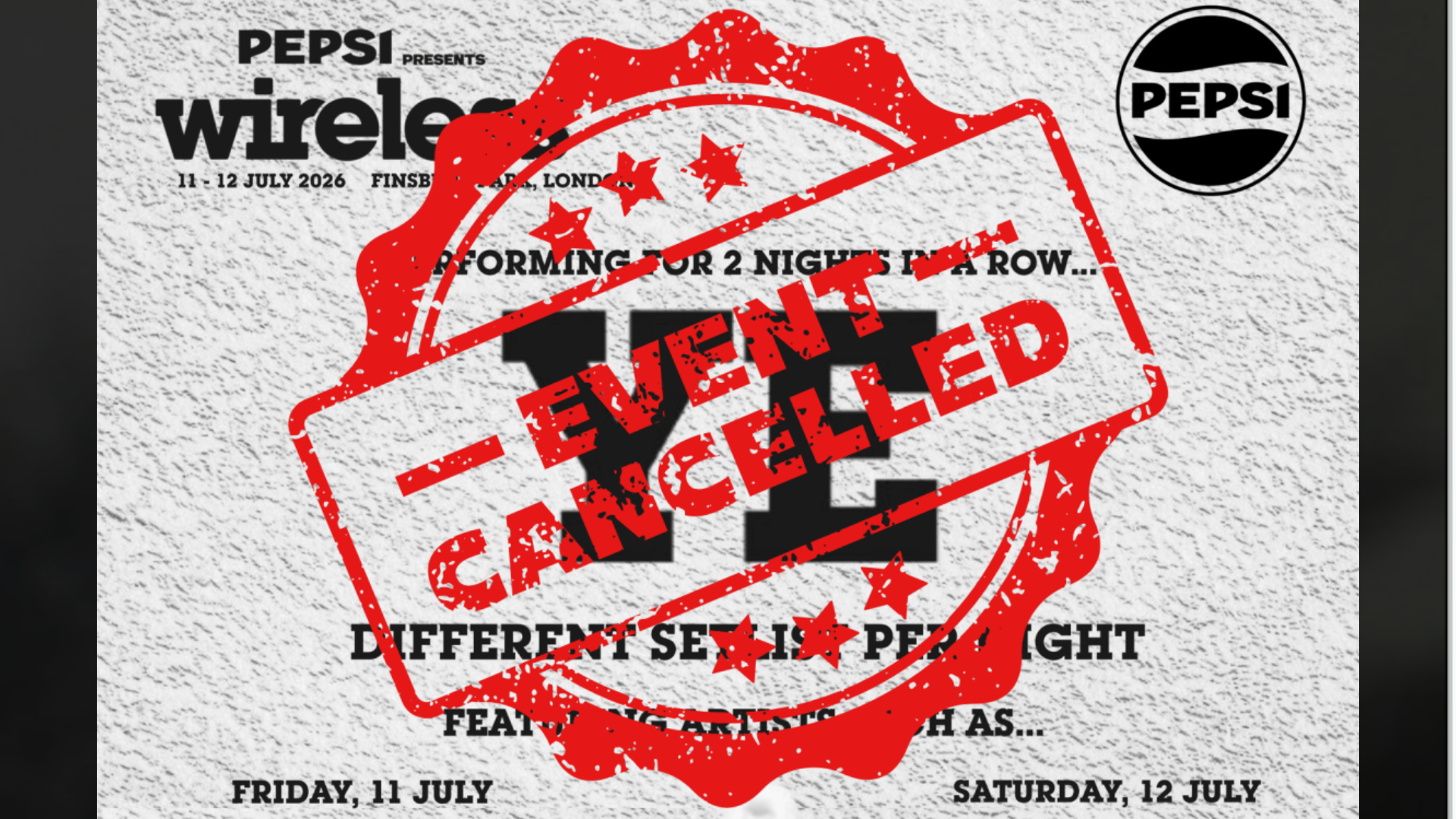
Three weeks prior, London’s Wireless Festival announced Kanye West as its three-night headline act. Within days, Pepsi — the festival’s title sponsor for over a decade — withdrew. Diageo, Rockstar Energy, and PayPal followed. The UK Prime Minister publicly condemned the booking. The Home Office denied West entry to the country. The festival did not postpone. It canceled entirely.
These two situations are at the center of every event sponsorship strategy conversation happening right now in boardrooms and agency conference rooms. They should be at the center of yours. A weak event sponsorship strategy treats talent as a line item. A strong one treats talent as a risk variable that can take down everything attached to it.
The Speed Has Changed. The Lesson Has Not.
The pattern of talent controversy damaging events is not new. What is different now is how fast the damage travels and how permanent it is. Social media captures a controversy within hours. When it does, it does not just damage the event — it damages the talent, the planners, the sponsors, and every brand attached to any of it.
The Adidas and Kanye West situation in 2022 took weeks to fully detonate. The Wireless Festival collapsed in days. Freedom 250 lost five headliners in 48 hours. The timeline keeps compressing, and the stakes keep rising. Every event sponsorship strategy built today has to account for a crisis window measured in hours, not weeks.
Adidas had been generating approximately 1.5 billion euros annually from the Yeezy partnership — roughly seven percent of their total revenue. The termination cost them an estimated 250 million euros in net income in 2022 alone, with projected operating losses approaching 700 million euros the following year as unsold inventory sat in warehouses. Their own shareholders sued, alleging Adidas had long known about the conduct and failed to act. The court ruled for Adidas — but judges concluded a reasonable investor should have already known the risks because the conduct was documented before the partnership was ever deepened.
They saw it. They stayed. They waited too long to walk.
A Bait-and-Switch Is Its Own Category of Crisis
What separates Freedom 250 from the Adidas situation is the mechanism of harm. The talent’s conduct was not the problem. The lack of transparency from the event organizers was.
Young MC stated directly that artists were never informed about the political involvement. Martina McBride said organizers had been misleading about the nature of the event. Bret Michaels cited both the divisiveness of the event and concerns about safety for performers and fans.
When talent walks this publicly and this fast, sponsors face an impossible position. Staying means their name is attached to a talent exodus story running alongside a controversy. Walking means their own headline. Neither outcome is good. Both were avoidable. Both trace back to the same gap: an event sponsorship strategy that never required full disclosure of the event’s nature before talent and sponsors committed.
Transparency is not a courtesy in event production. It is a contractual and reputational obligation. The moment you obscure what an event actually is, you have started a countdown clock on everyone involved.
Crisis communications authority Molly McPherson, speaking at Adweek’s Social Media Week last month, made this plain: “If your first instinct is to blame, you’re not going to get through it.” A crisis signals that the public is feeling an emotion about your brand, and the only path forward is to meet that emotion directly. The brands and events that deflect never recover as fast as the ones that own the situation immediately. Her full breakdown is available at Adweek.
What Controversy Does to Your Talent Pool
When controversy attaches to an event, the talent market for that event changes immediately and fundamentally. Representation teams are not waiting for headlines. They are watching. When an event tips into controversy, the calls from agencies are short. The answer is no — not “let’s look at the offer.” No.
Here is why. When an artist attaches to a controversial event, their digital footprint changes in ways that do not expire. That association follows them into every future brand conversation, every endorsement renewal, every tour announcement. Their management teams are protecting a revenue stream that extends years beyond any single booking fee, and no number in the offer covers what a permanent controversy association costs across that horizon.
The paycheck would also have to cover crisis management strategy prepared in advance, because the artist’s team will demand it. That means the fee gets spread across agent commissions, manager fees, talent costs, and a dedicated damage control strategy — before anyone even steps on stage. The math rarely works out.
The artists available to step into a controversial event are the ones who are ideologically aligned, have limited active brand partnerships to protect, or are making a deliberate bet that the attention is worth the association. That is a very narrow pool, and it is not the pool that most events building a serious event sponsorship strategy want to be drawing from. Your event sponsorship strategy should define your talent universe before controversy narrows it for you.
The Vetting Standard Is Not Sufficient for This Environment
According to a 2026 survey by EMARKETER and Viral Nation, more than half of marketers spend 30 minutes or less vetting a single talent or creator partner before committing. Thirty minutes for a decision that can cost millions, trigger a sponsor exodus, and take years to recover from.
The standard vetting model — social following, past campaigns, press sentiment — is not enough. The Wireless Festival proves it. Pepsi had been the title sponsor since 2015. Eleven years. They still got caught without the contractual protection they needed.
Real vetting means going further. It means a thorough review of the talent’s public record going back at least fifteen years. It means mapping the management team and understanding how they have handled past crisis moments — because you are not just booking the artist. You are booking everyone around the artist. It means explicit morality clauses in every contract, the kind I used in my casting days at Disney and Nickelodeon, now rewritten for sponsorship, that give your brand a clean exit if the situation changes.
And importantly, the vetting now moves in both directions. TikTok and the Brand Safety Institute published their Creator Suitability Report in March 2026 and found that 45% of talent and creators now rank the quality of the brand as their top consideration when evaluating a deal, with values alignment ranking second at 44%. Reach — which most event teams assume is still the primary draw — came in third. The talent is evaluating you as carefully as you are evaluating them. You can read the full report at PPC Land. If your event carries controversy, they already know before your outreach even lands. Vetting is no longer one-directional, and your event sponsorship strategy needs to reflect that.
The Reverse Engineer Model: The Single Biggest Shift You Can Make
Most events select the celebrity first and then go looking for a sponsor to fund the decision. That sequence is the root of the problem. If you expect a brand to attach their name, their budget, and their reputation to a piece of talent, that brand has earned the right to have a voice in who that talent is before the offer goes out — not after the contract is signed, not after the announcement is drafted.
I call it the Reverse Engineer Model, and it is the foundation of every event sponsorship strategy we build at Celebrity Capital.
You start with the outcome you want: the sponsor categories you are targeting, the brand values they need to see reflected, and the audience they are trying to reach. Then you build the talent strategy around those parameters. The celebrity becomes the answer to a business question rather than a decision your sponsors are handed and expected to fund. And controversies like the ones filling the news this week become far less likely, because the people with the most to lose had a seat at the table when it mattered. This is what a proactive event sponsorship strategy actually looks like in practice.
If You Are Already in It, You Still Have Options
Celebrities can choose not to be photographed with certain figures, not to share a stage, and not to be billed alongside names that create association risks. You can work with agents honestly to build a strategy that separates the talent’s visibility from the controversy. Most professional representation teams will engage on that conversation if you bring it to them directly and early.
You can also restructure the sponsorship assets so that your brand is associated with specific segments of the event rather than the whole — keeping logos and IP usage away from the portions of programming that carry the most exposure.
Go back to your sponsors immediately and be transparent about what has changed. Do not wait for them to read it in the news. Create flexibility wherever the contracts allow it. The brands that feel consulted and protected stay. The ones that feel surprised and exposed walk — and they walk publicly.
None of this is crisis management in the traditional sense. Crisis management is reactive. This is architecture. And when you do not build the architecture in advance, this is what the repair work looks like.
Celebrity Is Not Just a Line Item. It Is Your Liability.
The revenue that celebrity talent generates depends entirely on a conflict-free association. When that association becomes a liability, the revenue does not reverse — it disappears, and it takes your sponsor relationships with it.
The events that navigate this well plan for the worst case before they pursue the best case. They build programming where different talent, different sponsor placements, and different audience moments are structurally distinct — not just visually different — so that if one part of the program becomes a problem, the rest of the event is not pulled down with it. And they do this work a year out, not when the headlines are already running. That discipline is what separates a reactive scramble from a resilient event sponsorship strategy built to withstand pressure.
If you have a talent or sponsorship decision in front of you right now and you want a second set of eyes on the risk before you commit, let’s talk. That conversation is always worth having before the announcement goes out — not after.